


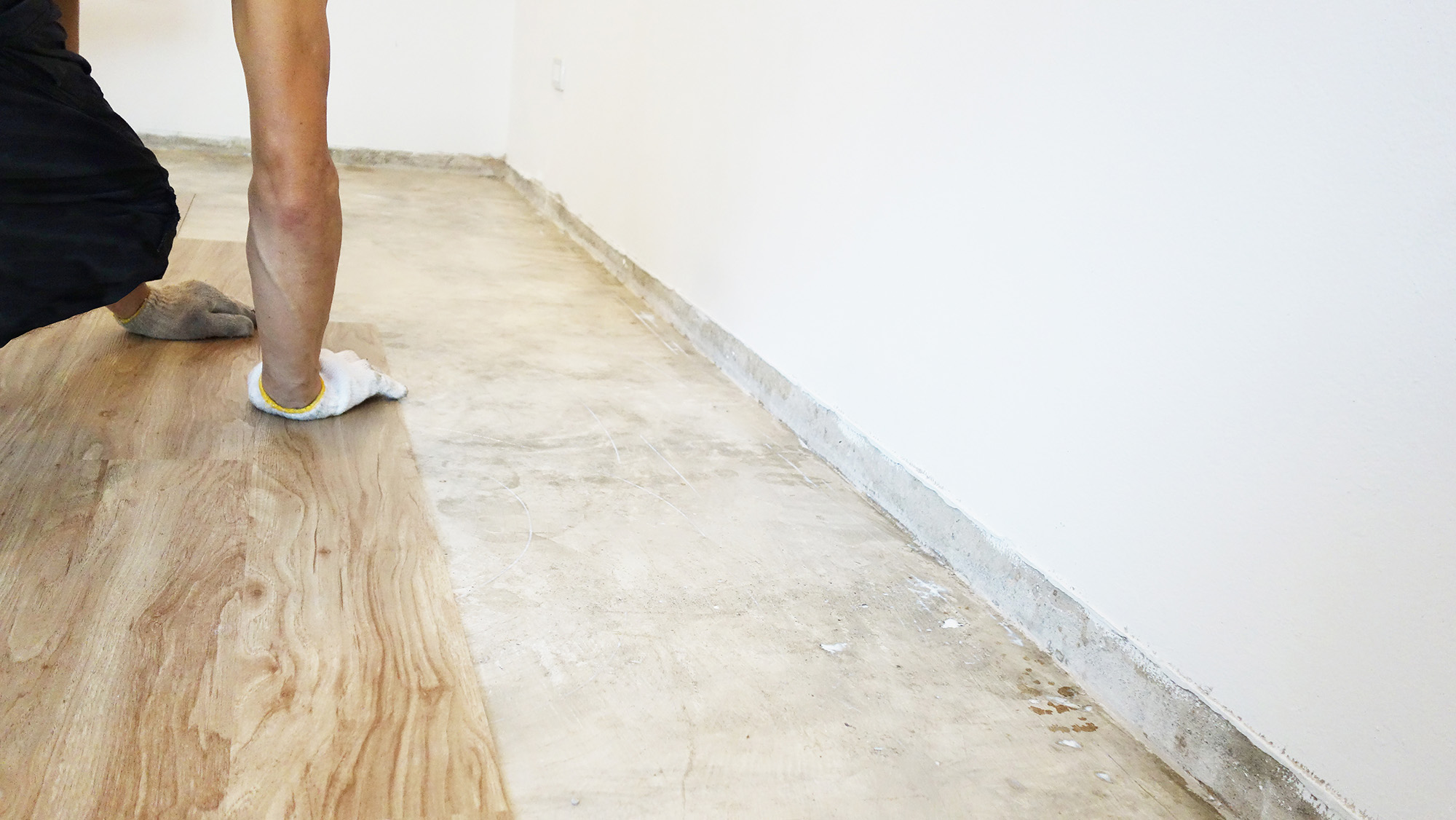
Old hardwood can look worse than it really is. Dull finish, surface scratches, faded color, and minor scuffs can make a floor seem finished with its life, when the actual wood underneath is still strong. In those cases, refinishing can restore the surface and change the appearance without replacing the entire floor.
The opposite can happen too. A floor may look acceptable from a distance but have deeper problems underneath. Cupping, movement, pet stains, water damage, loose boards, or excessive sanding history can make refinishing less effective. The real decision is not “old vs new.” It is whether the floor has enough structural integrity and wood thickness left to justify another finish cycle.
When refinishing usually makes sense
Refinishing is often the right choice when the wear is mostly at the surface level. Common signs include dull sheen, light scratching, faded traffic lanes, worn finish near doors, and color that no longer matches the homeowner’s style. If the boards are still stable and there is enough wear layer to sand, refinishing can be a smart way to keep real hardwood in the home.
Refinishing can also be useful when the homeowner wants a different stain tone or sheen. A glossy orange-toned floor, for example, may feel dated even if the wood itself is in good condition. Sanding and refinishing can shift the floor toward a warmer neutral, lower sheen, or more modern look without losing the value and character of existing hardwood.
When replacement is the better call
Replacement becomes more logical when the hardwood has deeper damage. Severe cupping, black water stains, soft boards, cracked planks, repeated pet damage, heavy gaps, or boards that move underfoot may point to problems beyond the finish. Sanding a damaged floor can improve appearance, but it cannot make unstable boards stable or remove damage that goes too deep.
Replacement may also be better if the floor has already been sanded too many times. Solid hardwood can usually handle multiple refinishes over its life, but there is a limit. Engineered hardwood depends on the thickness of its real wood wear layer. If the wear layer is too thin, aggressive sanding can expose the core, which turns a repair project into a bigger problem.
Moisture and subfloor issues change everything
Moisture is one of the biggest reasons a hardwood floor may need more than refinishing. If the floor has cupped, crowned, buckled, or developed dark staining from moisture, the source must be identified before any cosmetic work begins. Refinishing over an active moisture problem is like repainting a wall while the roof is still leaking. It may look better briefly, then fail again.
Subfloor condition matters too. Loose panels, uneven areas, poor fastening, old adhesive, or moisture-sensitive crawl space conditions can affect the new or refinished surface. Before choosing refinishing or replacement, the floor should be evaluated for movement, flatness, moisture readings, and the condition of the boards around kitchens, baths, exterior doors, and pet zones.
Budget should be weighed against lifespan
Refinishing can be more cost-effective when the existing floor is sound and the homeowner likes the layout, plank width, and general character. It preserves material already in the home and can deliver a major visual change. For many Southern Pines homes, refinishing is the best value when the floor simply looks tired rather than failed.
Replacement can be the better investment when the homeowner wants a different plank width, a more stable construction, new species, a cleaner layout, or fewer patchwork repairs. It also allows the installer to address subfloor concerns and transitions more fully. The cheaper option upfront is not always the better long-term choice if it only delays the same issue.
The best answer starts with inspection, not guesswork. Refinishing is ideal for surface wear, dull finish, and style updates when the wood is still healthy. Replacement is better when the floor has structural issues, moisture damage, limited sanding life, or a layout that no longer fits the home. The right choice protects both the budget and the finished result.
For homeowners in Southern Pines, Pinehurst, Aberdeen, Carthage, Foxfire, Vass, Pinebluff, West End, Laurinburg, Raeford, and nearby areas, Moore Floors, Inc. can help evaluate whether hardwood floor refinishing or replacement is the smarter next step. Visit Southern Pines, NC to review hardwood options, then contact us to plan service across Southern Pines, NC, Pinehurst, NC, Aberdeen, NC, Carthage, NC, Foxfire, NC, Vass, NC, Pinebluff, NC, West End, NC, Laurinburg, NC, Raeford, NC .


