


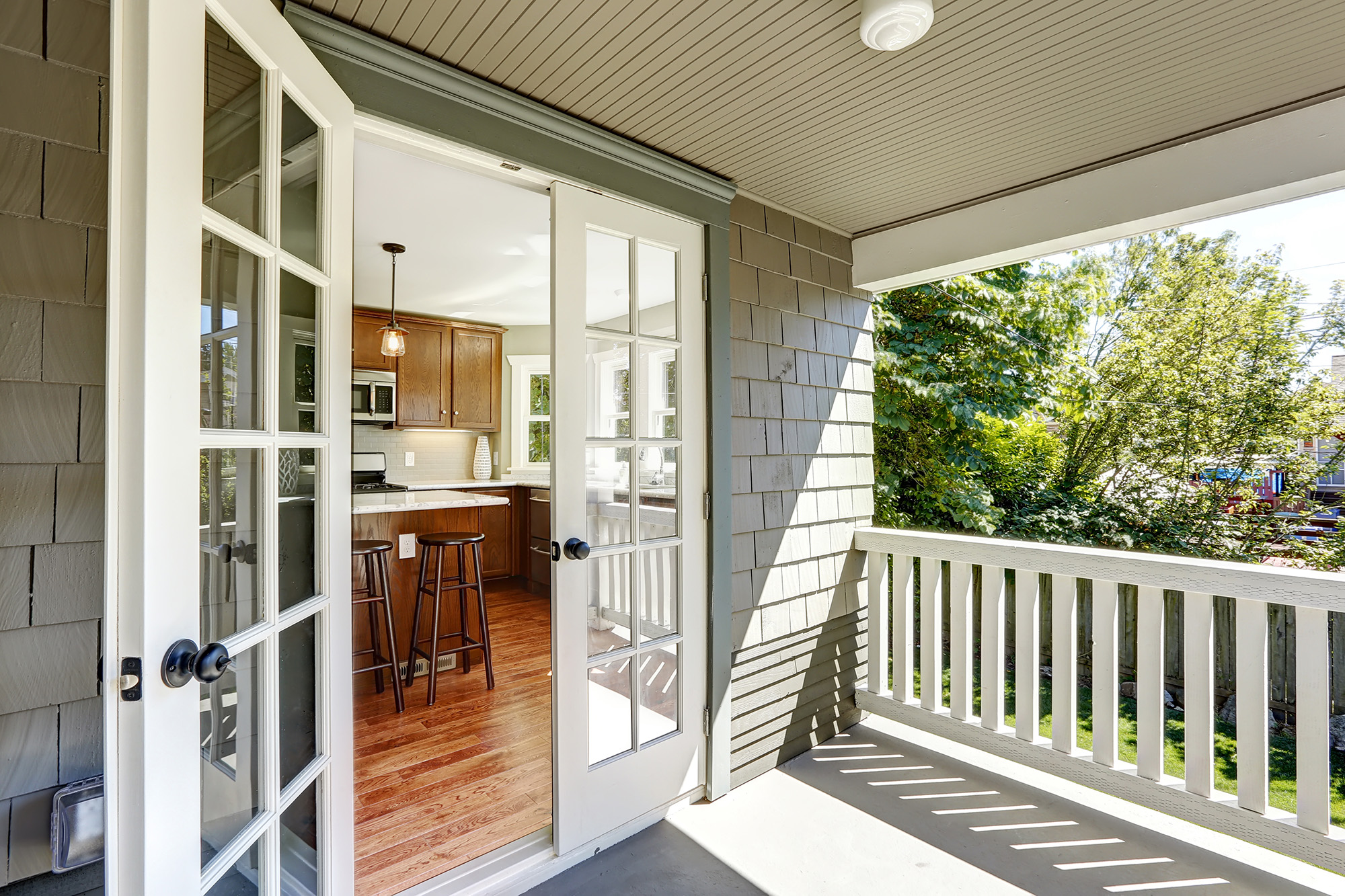
A golf-course home has a different rhythm than a standard residential space. Shoes come in with grit, guests move between patios and living rooms, sunlight hits the same wide windows every afternoon, and small abrasive particles can act like sandpaper underfoot. Hardwood can still be an excellent choice, but the product and finish need to be selected with that lifestyle in mind.
The goal is not to find an “indestructible” hardwood floor, because that does not exist. The better goal is to choose a floor that resists visible wear, can be maintained realistically, and can be repaired or refreshed when needed. That means thinking beyond color and looking closely at species, finish type, sheen level, plank construction, and the transition zones near exterior doors.
Start with the right hardwood construction
For many Southern Pines and Pinehurst homes, engineered hardwood is often worth considering because of its dimensional stability. A quality engineered plank has a real hardwood surface over a layered core, which can make it better suited for areas where humidity changes through the year. Solid hardwood is still a strong option in many spaces, but site conditions and subfloor type matter.
Wear layer thickness is important if the homeowner wants long-term refinishing potential. A thicker real wood surface can allow more future sanding, while thinner products may only allow light screening or recoating. For golf-course homes where lifestyle wear is expected, this detail should be part of the buying conversation before the first sample is chosen.
Choose finishes that hide real-life traffic
A low-sheen or satin finish usually performs better visually than a glossy floor in active homes. Gloss reflects light sharply, so every footprint, scuff, dust trail, and micro-scratch becomes more noticeable. A matte or low-sheen finish softens reflection and makes normal day-to-day wear less dramatic, especially in rooms with large windows.
Textured surfaces can also help. Wire-brushed, lightly scraped, or open-grain finishes can hide small scratches better than perfectly smooth floors. The trick is balance. Too much texture can trap dirt, while too little texture can show every mark. For golf-course homes, the sweet spot is usually a refined texture with a durable factory finish and a color that does not magnify dust or sand.
Plan for spikes, sand, and sunlight before they become problems
Golf shoes and hardwood need boundaries. Soft spikes may be gentler than metal spikes, but they can still concentrate pressure in small points. The safest approach is to treat entry areas like a system, not an afterthought. A good walk-off mat outside, an absorbent mat inside, and a dedicated shoe zone can dramatically reduce grit before it reaches the main living area.
Sunlight is the quieter issue. Strong UV exposure can amber, fade, or shift the tone of wood over time, especially near large windows or glass doors. Window treatments, UV-filtering film, and area rugs can help, but rug placement should be rotated when possible so the exposed floor ages more evenly. The right hardwood choice is only half the battle; the room’s light pattern matters too.
Installation details that protect the investment
Subfloor flatness, moisture testing, acclimation, and expansion space are not boring technicalities. They decide whether the hardwood looks stable after the first season. A floor that is installed over uneven or moisture-sensitive conditions can develop movement, squeaks, gaps, cupping, or edge stress, even if the material itself is high quality.
Golf-course homes often have open layouts, long sightlines, and large connected rooms. That makes plank direction, transitions, and expansion planning especially important. The installer needs to understand how the floor will move across wide spaces and how the transition from foyer to living area, kitchen, hallway, and patio doors should be handled cleanly.
The best hardwood flooring for a golf-course home is not just the hardest wood on the sample board. It is the right combination of stable construction, realistic finish, low-sheen appearance, practical entryway planning, and expert installation. When those pieces work together, hardwood can bring warmth and polish without becoming fragile furniture for the floor.
For homeowners comparing hardwood flooring in Southern Pines, Pinehurst, Aberdeen, Carthage, Foxfire, Vass, Pinebluff, West End, Laurinburg, Raeford, and nearby areas, Moore Floors, Inc. can help narrow the options based on how the home is actually used. Visit Southern Pines, NC to compare samples in person, ask about durability and finish options, and contact us when you are ready to plan your flooring project across Southern Pines, NC, Pinehurst, NC, Aberdeen, NC, Carthage, NC, Foxfire, NC, Vass, NC, Pinebluff, NC, West End, NC, Laurinburg, NC, Raeford, NC .


