


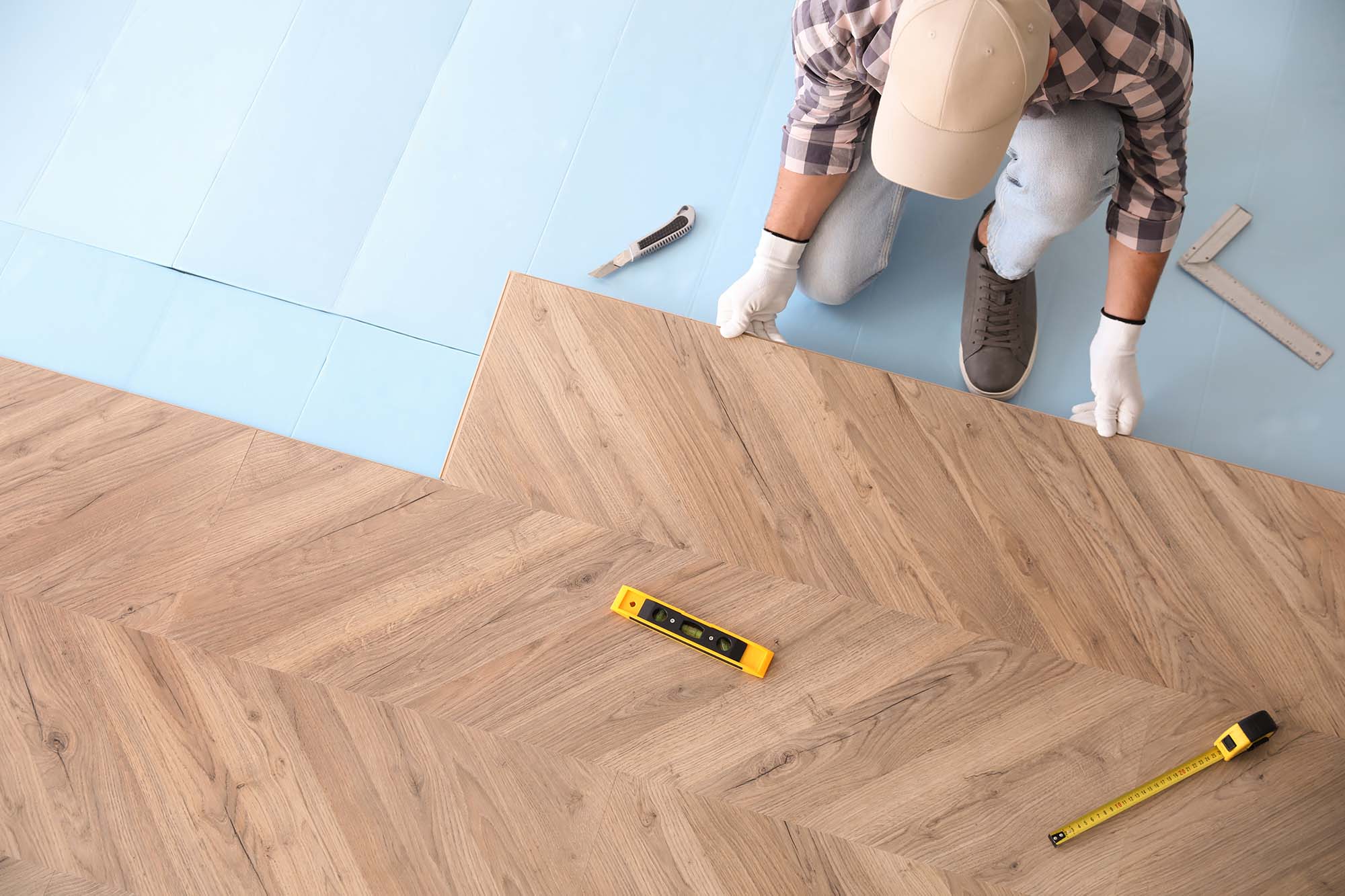
One of the most common questions that comes up once laminate flooring is on the table is whether the old floor needs to come out first. Laminate's floating installation method makes it genuinely well suited to going over certain existing surfaces, which is part of why it gets chosen for renovation projects in the first place. The decision is not as simple as yes or no across the board though, since what is already on your floor, and in what condition, changes the answer room by room.
Getting this right before installation day avoids problems that are far more expensive to fix after the fact than they would have been to catch beforehand.
What Makes a Surface a Good Base for Laminate
Laminate's floating floor system is not attached to the subfloor the way nailed or glued hardwood is, which means it relies on whatever is underneath being flat, stable, and structurally sound rather than perfectly matched in material. A single layer of vinyl, tile, or even an existing laminate floor in good condition can often serve as an acceptable base, provided it is securely adhered or fastened down and does not have loose sections that could shift underneath the new floor.
Flatness matters more here than most homeowners expect. Laminate planks lock together along a rigid seam system, and installing over a surface with noticeable dips, high spots, or unevenness can translate directly into visible gapping or a hollow feeling underfoot once the new floor is down. A quick flatness check with a long level before committing to an install over existing flooring catches this kind of issue while it is still an easy fix.
When Carpet Actually Needs to Come Out
Carpet is the clearest case where tearing out first is almost always the right call, and it comes down to how carpet and padding compress under weight compared to a hard surface. Laminate's locking seams are engineered to perform on a firm, stable base, and installing it directly over carpet padding creates a soft, inconsistent surface underneath that can cause the seams to flex and eventually fail well before the floor's expected lifespan.
This is worth knowing even if removing carpet feels like the more disruptive option upfront. The cost of a laminate floor that needs to be pulled up and reinstalled after seam failure is considerably higher than the labor saved by skipping carpet removal in the first place, which makes this one of the few situations where the shortcut genuinely is not worth taking.
Multiple Layers of Old Flooring Change the Math
A surprising number of older homes have more than one layer of flooring stacked on top of the original subfloor, often from a previous renovation that installed over an existing surface rather than tearing it out. Each additional layer raises the finished floor height, which can create problems at doorway transitions, under built in cabinetry, or against stair nosing that was installed to match a specific floor thickness.
This is a detail that is easy to overlook until installation is already underway, and it is worth checking before ordering material rather than discovering it mid project. Pulling up a baseboard or checking a closet threshold where flooring often was not extended all the way can give a reasonable idea of how many layers you are actually working with before a professional confirms it in person.
Moisture and Subfloor Condition Still Matter Either Way
Whether you tear out the existing floor or install over it, what is happening at the subfloor level underneath everything else is the detail that determines long term success. A moisture issue sitting beneath an old vinyl floor does not go away just because a new laminate floor is installed on top of it, and in some cases covering it up without addressing the source makes the eventual problem harder to diagnose.
This is really the strongest argument for having a professional assess the existing floor before deciding which route to take, rather than making that call based on installation convenience alone. A quick moisture check and a look at the subfloor condition underneath whatever is currently down gives you the full picture before committing either way.
Whether your existing floor is a solid base or needs to come out first really depends on what is underneath it, not just what is on the surface. The team at Moore Floors, Inc. evaluates existing flooring in person before recommending the right path forward for laminate flooring in Aberdeen or anywhere else in the Sandhills. Visit us at Southern Pines, NC or contact us to schedule an in-home evaluation before your next flooring project. We proudly serve homeowners throughout Southern Pines, NC, Pinehurst, NC, Aberdeen, NC, Carthage, NC, Foxfire, NC, Vass, NC, Pinebluff, NC, West End, NC, Laurinburg, NC, Raeford, NC .


