


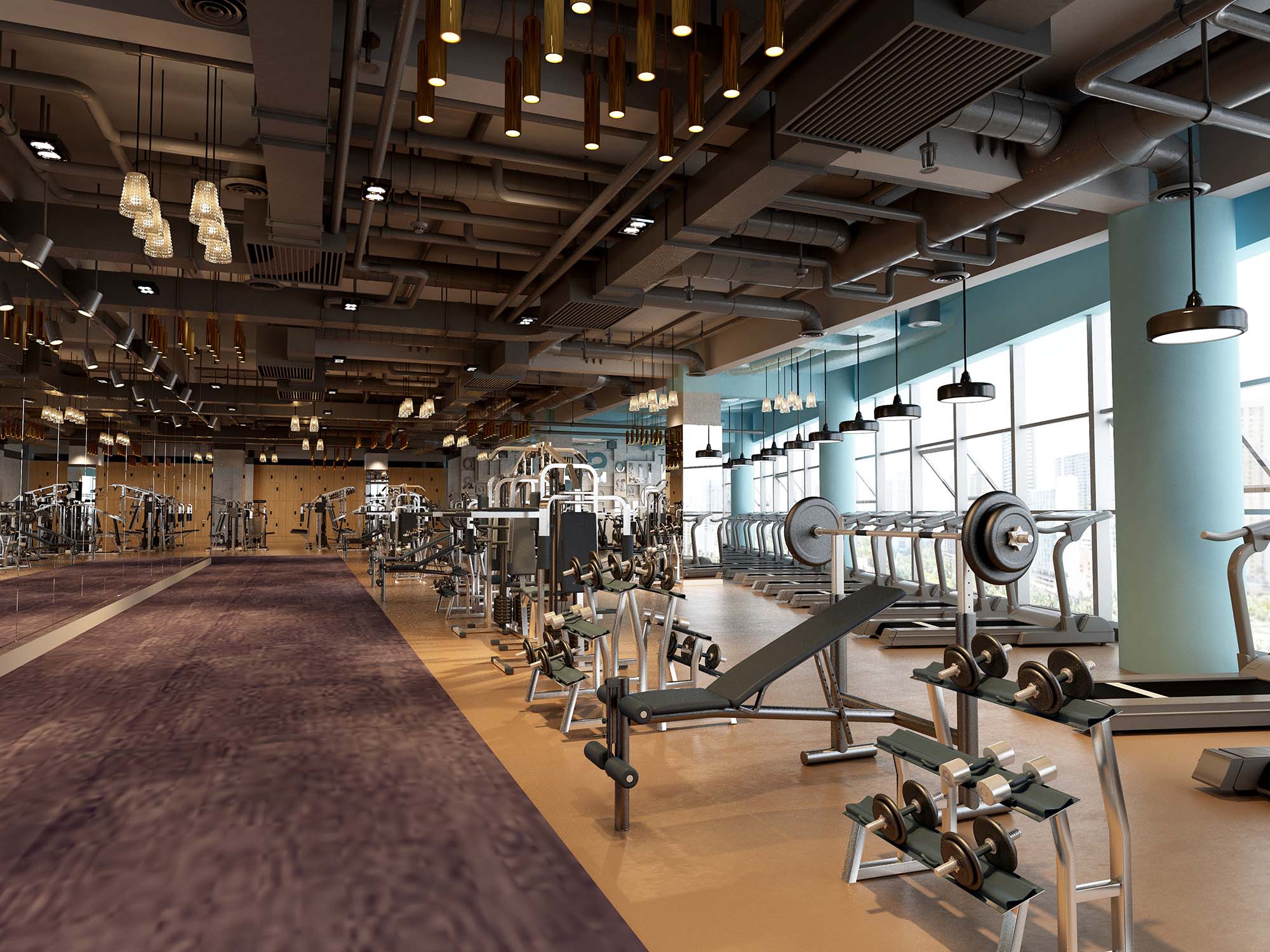
Home gyms have become a common addition in Pinehurst, whether it's a converted bonus room, a garage bay, or a corner of a finished basement. Laminate gets asked about often for these spaces because it's durable, easy to clean, and gives a finished look that a lot of homeowners prefer over exposed subfloor or basic mats. It can genuinely work well here, but a home gym isn't like a living room or bedroom, and understanding exactly how laminate responds to gym specific use helps you set the space up right from the start.
The difference comes down to two things most articles skip over: how weight is actually applied to the floor, and how moisture behaves in a room where people sweat.
Point Load Versus Distributed Load
Laminate's wear layer is rated for foot traffic, which is a distributed load spread across a shoe sole moving across the surface. A dumbbell rack, a squat stand, or a bench with narrow metal feet applies a very different kind of pressure, concentrated into a few small contact points rather than spread out. Even a laminate with a high wear layer rating can develop small indentations under this kind of point load over time, especially where equipment stays in one spot for months.
This is a detail that matters more than the overall durability rating most people focus on when shopping for gym flooring. The fix isn't complicated. Placing a protective mat or a set of equipment risers under stationary weight racks and benches keeps that concentrated pressure off the laminate directly, while the open floor space used for movement, stretching, and lighter equipment gets to show off the laminate's finish without that risk.
How Sweat and Humidity Actually Affect the Surface
A home gym generates more moisture in the air and on the floor than almost any other room, between sweat, water bottle condensation, and heavier breathing raising humidity during a workout session. Laminate's sealed wear layer handles incidental moisture like this without a problem, since it's designed to resist surface moisture from daily life. The detail that matters here is what happens at the seams over time, particularly if moisture is allowed to sit rather than being wiped down after a session.
A quick wipe down of visibly damp areas after a workout, especially near where a mat or towel might have trapped moisture against the floor, keeps that seam protection intact for the long run. This is a small habit, but it's the difference between a laminate gym floor that looks the same in five years and one that starts showing edge wear near a specific corner where moisture routinely collected.
Zoning the Room by Activity
Not every part of a home gym sees the same kind of use, and thinking about the room in zones rather than as one uniform space leads to a better long term result. A cardio and stretching zone, where the main activity is foot traffic and floor work, is exactly the kind of use laminate is built for. A free weight zone with stationary equipment and occasional dropped weights benefits from a different surface treatment layered on top, like interlocking rubber tiles placed directly over the laminate in that specific area.
This zoned approach means you get the finished look of laminate throughout most of the room while protecting the specific spots that see heavier, more concentrated impact. It's a practical middle ground that a lot of homeowners don't consider until after equipment is already in place and wear starts to show.
Subfloor and Underlayment Considerations
A home gym often sits over a garage slab or a basement floor, both of which behave differently than a typical living space when it comes to moisture and temperature. A vapor barrier underlayment is worth prioritizing in either of these settings, since it protects the laminate core from ambient moisture rising through the slab, which is a more common issue in converted spaces than in a standard main floor room.
Sound and impact matter too, particularly if the gym sits above another living space or shares a wall with a bedroom. A denser underlayment designed for impact absorption reduces the transfer of footfall and dropped equipment noise, which is a detail worth discussing directly with whoever handles your installation if the room's location makes that a concern.
A home gym can absolutely work with laminate flooring when the room is set up with its specific use in mind. The team at Moore Floors, Inc. walks Pinehurst homeowners through exactly this kind of planning, from underlayment choice to zoning equipment areas correctly. Visit us at Southern Pines, NC or contact us to talk through laminate options for high traffic Sandhills homes for your space. We proudly serve homeowners throughout Southern Pines, NC, Pinehurst, NC, Aberdeen, NC, Carthage, NC, Foxfire, NC, Vass, NC, Pinebluff, NC, West End, NC, Laurinburg, NC, Raeford, NC .


