


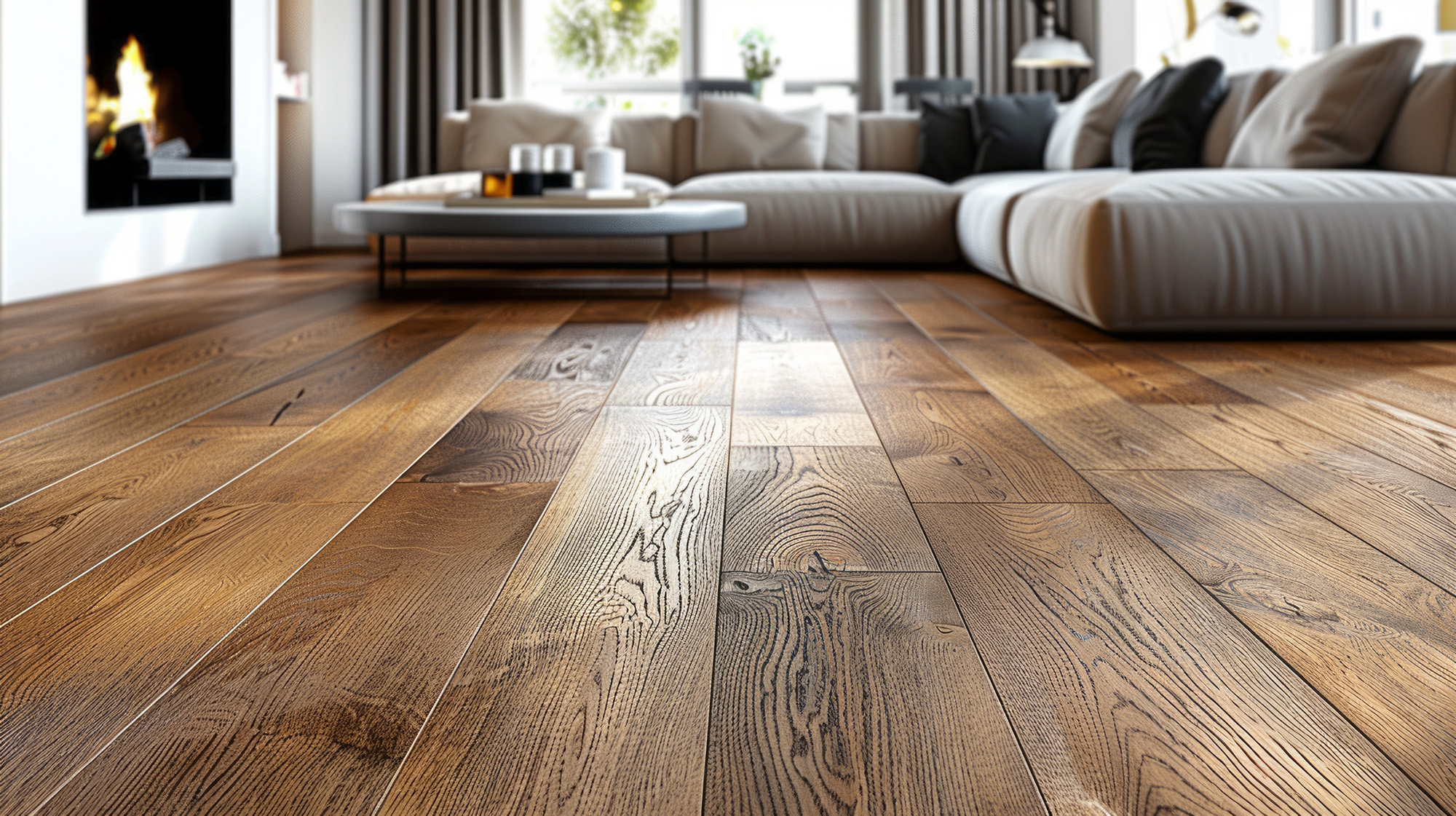
If you've lived in Moore County for even one spring, you know the drill. Longleaf and loblolly pines release clouds of fine yellow pollen for several weeks, and it finds its way into every open door, vent, and shoe tread in the house. Most homeowners think of pollen as an outdoor nuisance or an allergy problem, but it has a real relationship with your floors too, especially if you have laminate or hardwood underfoot.
The pollen itself is fine, gritty, and slightly oily. That combination is what makes it more than a cosmetic annoyance once it lands on a floor surface.
How Pollen Grit Affects Hardwood Finishes
Pine pollen grains are small enough to slip into shoe treads and pet paws without anyone noticing, which means they get tracked across your floors constantly during peak season. Once ground underfoot, that grit behaves like fine sandpaper on a hardwood finish, creating micro scratches that dull the surface sheen over time even when the wood itself is undamaged.
This is especially noticeable on darker stains and high gloss finishes, where every scuff shows. Homeowners with hardwood in high traffic zones like entryways and mudrooms tend to see this wear pattern first, simply because that's where the highest concentration of tracked pollen ends up.
Why Laminate Handles Grit Differently
Laminate flooring has a hard wear layer designed to resist scratching, so it generally tolerates pollen grit better than a finished hardwood surface. That said, laminate seams and edge joints can still trap pollen dust, and if that dust mixes with humidity or a damp mop, it can leave a slightly gritty film along the plank edges.
The bigger issue with laminate during pollen season is usually cosmetic rather than structural. Photo realistic wood grain finishes show dust and haze more visibly than textured surfaces, so a light coating of pollen can make a laminate floor look dull faster than it would in other seasons.
Simple Habits That Protect Both Floor Types
A few consistent habits make a real difference during peak pollen weeks. Dry dust mopping or vacuuming with a soft brush attachment two or three times a week removes grit before it gets ground into the finish, and it's far more effective than wet mopping alone, which can just push pollen paste into seams and grain lines.
A shoes off policy at the door, paired with a walk off mat both outside and inside the entry, cuts down dramatically on how much pollen ever reaches your flooring in the first place. Homeowners who also wipe down pet paws after outdoor time see a noticeable drop in the fine dust that collects along baseboards and room edges.
When It's Time for a Deeper Look
If your floors have lost their shine even after a good cleaning routine, that's usually a sign the finish itself needs attention rather than the surface dust. Hardwood that's showing dulling or fine scratching from a few pollen seasons in a row can often be brought back with a screen and recoat rather than a full refinish, which is a much smaller investment.
Laminate that's developed a persistent haze along the seams sometimes indicates the wear layer has taken more abuse than expected, and it's worth having a professional take a look before the next pollen season rolls around. Either way, catching it early keeps small issues from turning into a full replacement down the road.
Pollen season isn't going anywhere in the Sandhills, but your floors don't have to show every bit of it. At Moore Floors, Inc., our team knows exactly how the local climate and seasonal pollen affect both hardwood and laminate flooring, and we're happy to take a look at yours in person. Stop by Southern Pines, NC or contact us to schedule a consultation. We proudly serve homeowners throughout Southern Pines, NC, Pinehurst, NC, Aberdeen, NC, Carthage, NC, Foxfire, NC, Vass, NC, Pinebluff, NC, West End, NC, Laurinburg, NC, Raeford, NC with flooring solutions built to hold up to whatever the Sandhills seasons bring.


