


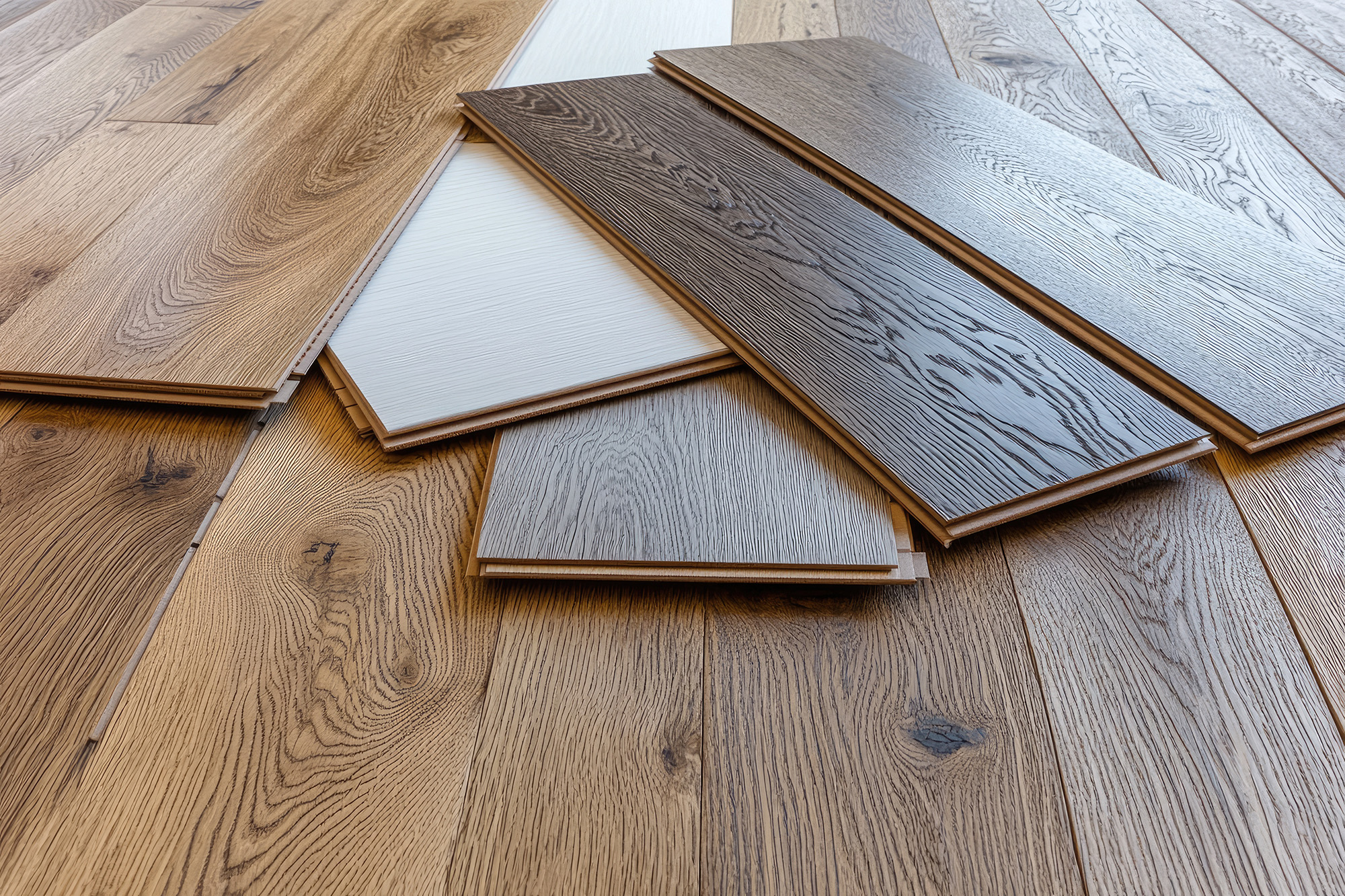
“Waterproof laminate” and “waterproof-look flooring” sound similar, but they are not the same thing. Waterproof laminate usually refers to laminate products designed with tighter locking systems, protected edges, and water-resistant or waterproof surface claims. Waterproof-look flooring often refers to products like luxury vinyl plank or other resilient floors that imitate wood while offering stronger water performance.
The confusion matters because buyers often shop by appearance first. A plank may look like hardwood, feel sturdy in the showroom, and carry water-related marketing language, but the core construction tells the real story. Before closing on a home or renovating immediately after purchase, it is worth understanding whether the floor is built to resist surface spills, bottom-up moisture, or both.
Top-down spills are not the same as slab moisture
Many waterproof laminate claims focus on spills from above. That includes water from pets, kitchens, drinks, wet shoes, and quick household accidents. A quality product may perform well when spills are cleaned quickly and seams are properly locked. That does not automatically mean it can handle ongoing moisture coming from a concrete slab or damp subfloor.
This distinction is especially important in homes built on slabs or in areas where moisture conditions vary. Bottom-up moisture can affect flooring differently from a spilled glass of water. If vapor pressure or subfloor moisture is present, the installation system, underlayment, moisture barrier, and product construction must all be evaluated before choosing a floor.
How waterproof laminate compares with luxury vinyl plank
Waterproof laminate can be attractive because it often has a rigid feel, realistic wood visuals, and strong scratch resistance. Some buyers prefer the way laminate sounds and feels underfoot compared with softer resilient products. It can be a good option in living rooms, bedrooms, hallways, and spaces where the homeowner wants a wood look with durability.
Luxury vinyl plank is often stronger in areas where moisture is the primary concern. Because many LVP products are fully resilient rather than wood-fiber based, they are usually more forgiving around kitchens, laundry rooms, bathrooms, and slab conditions. The tradeoff is that not all LVP looks equally realistic, so buyers need to compare texture, bevels, plank variation, thickness, and wear layer quality.
What makes a floor look realistic instead of plastic
A realistic wood-look floor depends on more than the printed image. Plank length, width, embossing, bevel detail, pattern repeat, color variation, and surface sheen all affect whether the floor feels believable. High-gloss waterproof-look floors can look artificial quickly because real hardwood rarely reflects light like polished plastic in normal homes.
Low-sheen visuals, natural grain movement, longer planks, and less obvious repeating patterns usually create a better result. The floor should also coordinate with cabinets, wall color, trim, furniture, and natural light. A waterproof-look floor that is technically durable but visually flat can make a room feel cheaper than it should, even when the material itself performs well.
What buyers should inspect before closing
If a home already has laminate or waterproof-look flooring installed, buyers should inspect edges, transitions, corners, and areas near exterior doors, kitchens, bathrooms, and laundry spaces. Swollen seams, lifted edges, hollow sounds, gaps, or buckling can suggest moisture, subfloor, or installation issues. These details can become expensive after move-in if ignored.
For buyers planning to replace flooring after closing, timing matters. It is often easier to install new floors before furniture arrives, but decisions should not be rushed. Moisture testing, subfloor evaluation, product comparison, and layout planning are all part of getting a floor that looks right and performs well. Fast installation is not useful if the wrong product is chosen.
Waterproof laminate can be a smart choice, but it should not be selected by label alone. Buyers need to understand what kind of moisture the product is designed to handle, what the subfloor requires, and whether the visual style will still look good once the whole room is finished. Waterproof-look flooring can also be excellent, but quality varies sharply.
For homeowners and buyers in Southern Pines, Pinehurst, Aberdeen, Carthage, Foxfire, Vass, Pinebluff, West End, Laurinburg, Raeford, and nearby communities, Moore Floors, Inc. can help compare waterproof laminate, laminate, luxury vinyl, and other wood-look options. Visit Southern Pines, NC to see samples in person, then contact us to plan flooring across Southern Pines, NC, Pinehurst, NC, Aberdeen, NC, Carthage, NC, Foxfire, NC, Vass, NC, Pinebluff, NC, West End, NC, Laurinburg, NC, Raeford, NC .


