


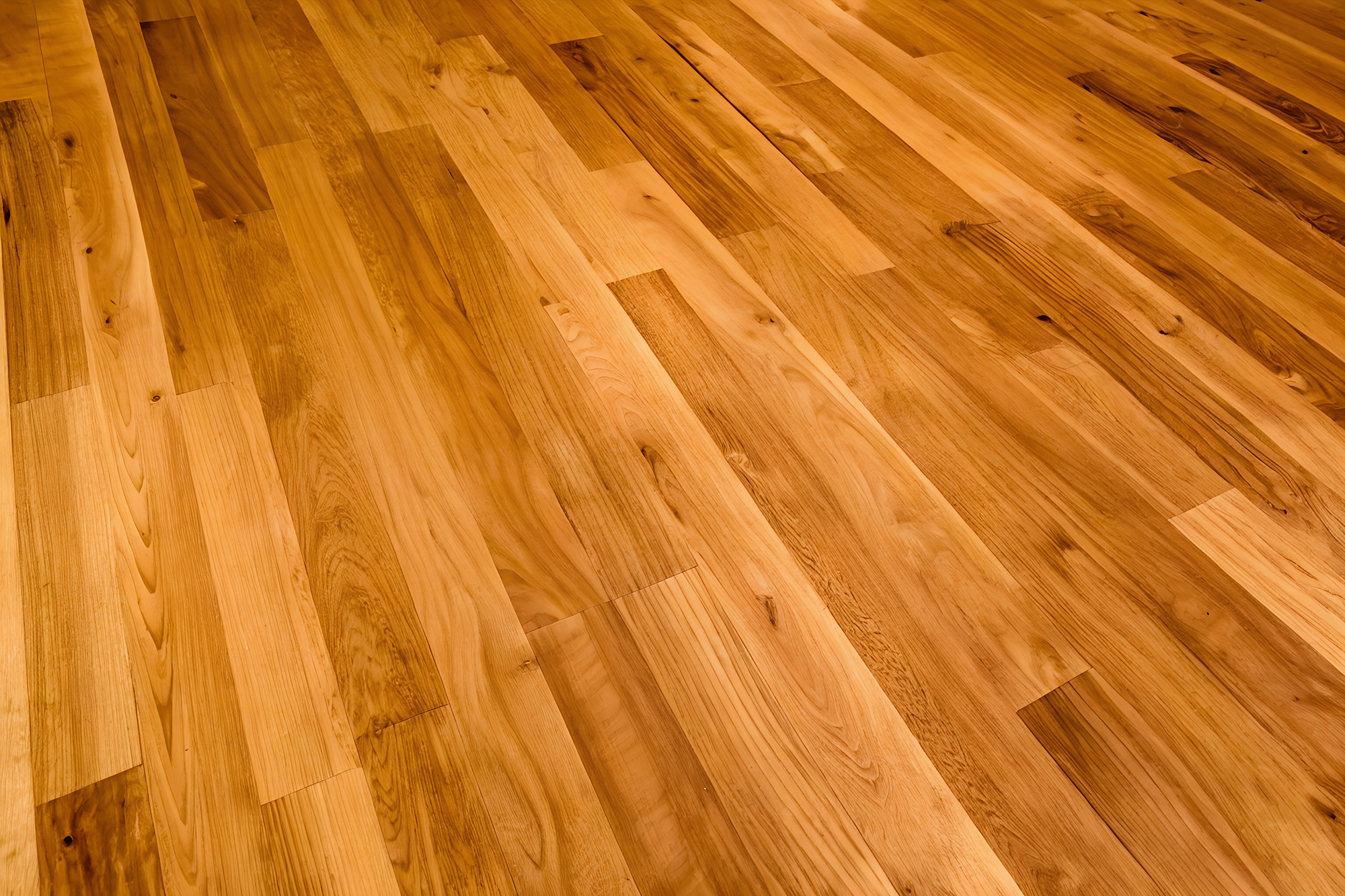
Robot vacuums get sold as a convenience upgrade, and for the most part they deliver on that. What rarely gets covered is what daily automated cleaning actually does to a hardwood or laminate floor once you're a year or two into ownership. The wheels, the brush design, and the cleaning pattern all interact with flooring differently than a person pushing a vacuum around once a week, and those differences add up in ways that are worth understanding before they show up as visible wear.
This isn't a case against robot vacuums. It's about knowing what to watch for so the convenience doesn't come with a surprise.
Wheel Material Matters More Than Most Owners Realize
Robot vacuum wheels are almost always a hard plastic or rubber compound, and they roll across the exact same paths through a room day after day, since most models default to fairly predictable cleaning routes. On hardwood with a well cured finish, this repeated rolling contact is generally fine. On a floor where the finish is already thinning, or where fine grit has built up on the surface, that same repeated contact can very gradually dull the finish along the robot's regular path, in a way that's easy to miss until you notice a faint sheen difference under certain lighting.
Laminate handles this kind of wheel contact a bit differently because of its harder wear layer, but grit trapped under the wheels behaves the same way it would under a shoe, acting like fine sandpaper over time. The fix here isn't complicated. Keeping the vacuum's own bin and sensors clean, and doing a quick dry sweep of the room before a scheduled run on high grit days, reduces how much debris the wheels are grinding against the floor during each pass.
Brush Roll Contact and Edge Wear
Most robot vacuums use a brush roll that sits very close to the floor surface, and on some models that brush makes light contact with the flooring itself rather than staying just above it. Over hundreds of cleaning cycles, this contact point can show up as a subtle line of wear if the brush height isn't calibrated correctly for your specific floor thickness, particularly noticeable on lower pile or hard surface settings that some models don't distinguish clearly between laminate and hardwood.
This is worth checking directly in your vacuum's settings rather than assuming the default configuration is right for your flooring. Many models let you adjust brush height or select a hard floor mode specifically, and taking five minutes to confirm that setting after a new flooring installation is a small step that prevents an issue that would otherwise take months to even notice.
Water Based Models Need a Different Conversation Entirely
Combination vacuum and mop robots introduce a moisture factor that dry robot vacuums simply don't have, and this is where hardwood specifically needs more caution than laminate. Even a light, even mist from a mopping robot can find its way into seams if the unit lingers in one spot or if the water reservoir is set higher than the floor actually needs, and repeated exposure over many cleaning cycles is a different kind of stress than an occasional damp mop by hand.
Laminate with a genuinely water resistant core tolerates this kind of light, automated moisture better than most solid hardwood does, which is a detail worth knowing if you're choosing a robot vacuum model and already own hardwood floors. If a mopping robot is part of your routine, checking the manufacturer's water setting recommendations for wood specifically, rather than the default setting, is worth the few minutes it takes.
What a Consistent Cleaning Pattern Actually Prevents
The upside that doesn't get talked about enough is that a robot vacuum running on a regular schedule actually reduces one of the biggest contributors to floor wear, which is grit and dust sitting on the surface and getting ground in by daily foot traffic. A floor that's swept or vacuumed every day, even lightly, tends to show less fine scratching over time than one that only gets a deep clean once a week, simply because there's less abrasive material sitting on the surface at any given moment.
This means the net effect of a robot vacuum on your floor really comes down to how well it's set up for your specific flooring, not whether you use one at all. A correctly configured robot vacuum on a hard floor setting, paired with sensible expectations about mopping models near hardwood, tends to be a net positive for floor longevity rather than a source of extra wear.
Robot vacuums can be a genuine asset to keeping hardwood and laminate floors clean, as long as the settings match the flooring underneath. The team at Moore Floors, Inc. is happy to talk through which settings and maintenance habits make the most sense for the specific hardwood flooring in Southern Pines or laminate flooring in Aberdeen in your home. Visit us at Southern Pines, NC or contact us with any questions about your current floor care routine. We proudly serve homeowners throughout Southern Pines, NC, Pinehurst, NC, Aberdeen, NC, Carthage, NC, Foxfire, NC, Vass, NC, Pinebluff, NC, West End, NC, Laurinburg, NC, Raeford, NC .


